GBA Emerging Contaminants Spotlight – BPA’s
You may have seen “BPA Free” labels on plastic water bottles and other containers or products.
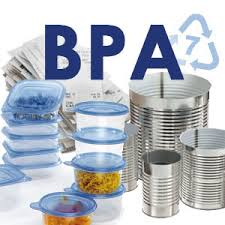
 Bisphenol-A (BPA) is a colorless solid that is poorly soluble in water, and durable,making it suitable for use in creating some plastics. It can be found in common consumer goods such as sports equipment,DVDs, and some water bottles (not as much any longer) . BPA epoxy resins were previously, and sometimes still are, used as lining in food/beverage cans. They are still currently used in thermal papers like receipts and other “glossy” papers.
How does BPA impact the environment?
BPA is a xenoestrogen, meaning that it exhibits estrogen-mimicking, hormone-like properties that raise concern about its suitability in consumer products and food containers. Disposal of BPA-containing products into landfills and throughout the environment is of concern due to the potential for contamination of our groundwater, soils, and food supply.
What do Regulatory Agencies recommend?
As of February 2018, based on the FDA’s ongoing safety review of scientific evidence, the available information indicates that BPA is safe for its currently approved uses in foods, food containers and packaging.
The European Food Safety Authority (EFSA) reviewed scientific information on BPA in 2008, 2009, 2010, 2011 and 2015. On each occasion, EFSA’s experts concluded that BPA is safe at the known exposure levels and they could not identify new evidence which would lead them to revise their opinion. The EFSA does recognize some uncertainties and continues to investigate them.
Currently, the safety of BPA-free products is being questioned. The reality is that no one can specify the levels of BPA at which it can be deemed safe, or if it is even safe at all.
What are the potential Business Opportunities for my consulting firm?
BPA is still used in a variety of products and will continue to accumulate in our environment. There is still significant uncertainty about whether BPA is safe. Regulations from Federal and State agencies have yet to confirm what concentration levels could be considered safe. As such, anyone currently using products containing BPA are unknowingly test subjects. As with many environmental contaminants, the real effects of long-term exposure likely will not be known for decades. BPA is an emerging contaminant to be aware of, and anticipate that future business opportunities may be present themselves as standards are refined and additional study data is made available.
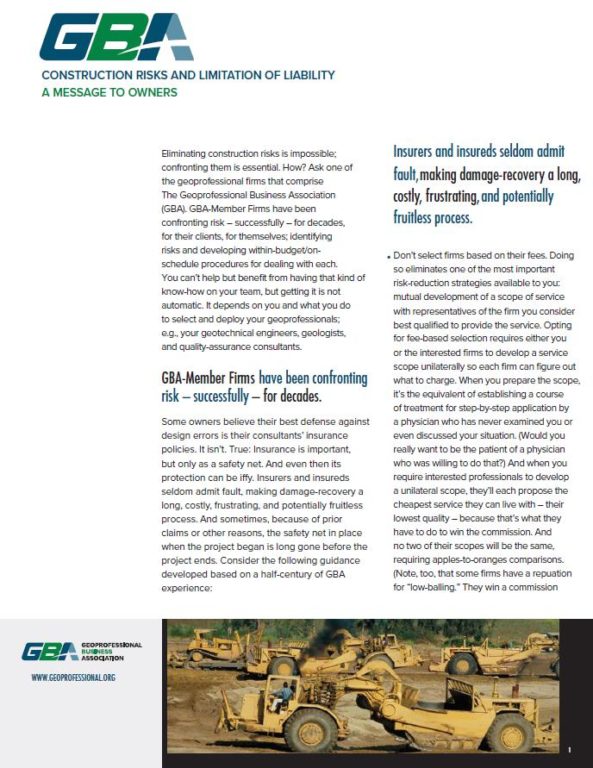 this concise flyer points out effective means for managing risks, including limitation of liability. It explains that limitation of liability is not only a fair and reasonable approach, it can also result in lower construction costs while also encouraging design excellence.
 geotechnical-engineering study, report with criteria and recommendations, and provide on-call consultation to support design and construction of a roadway subdrainage system and related structures. Read how drought conditions and a belligerent landowner impacted this project.
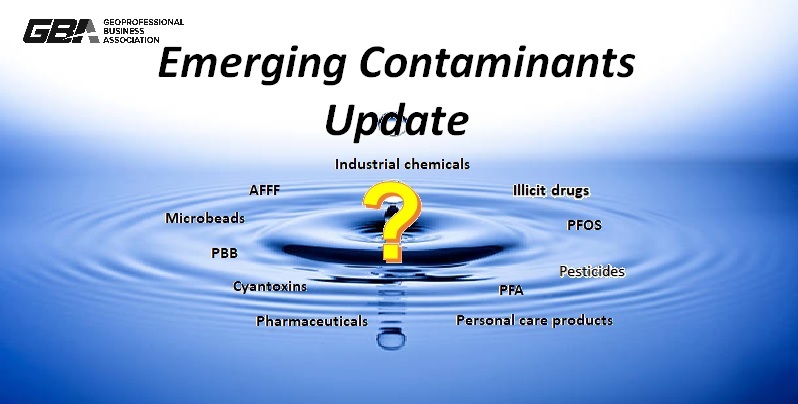
 Per- and Poly-fluorinated alkyl substances (PFAs) concerns in the environment are one of the hottest emerging environmental topics in the country. The compounds, developed in the 1950’s, have been used in a wide variety of everyday products including paper and plastics, water resistant fabrics coatings such as Gore-tex, non-stick coatings including Teflon, paper and packaging products, and stain resistant carpet and fabric coatings. Along with the processes and facilities responsible for the production of the goods, as the final repository for societal waste, PFAs are increasingly showing up in landfill leachate as the leaching process takes place within the landfill mass.
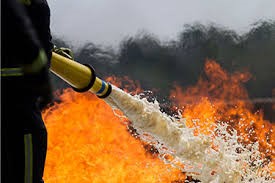 suppressants, commonly referred to aqueous fire-fighting foam (AFFF), have been extensively used to contain fires at fuel refineries,industrial complexes, airports, and fire training facilities. Developed prior to the increasing concern of potential adverse health effects of PFAs and phased out both in the US and globally, AFFF is a significant source of PFAs.
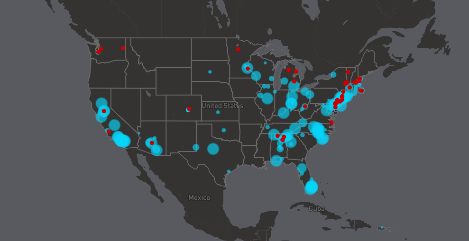 Assessing the water supplies is a specialized process since the laboratory detection levels are looking at ppt levels Parts per trillion can be equated to a drop of water in the volume of a large scale supermarket warehouse! At these detection levels, particular caution needs to be taken to not introduce contamination from surfaces that could contain PFAs such as treated clothing, plastic containers, etc.



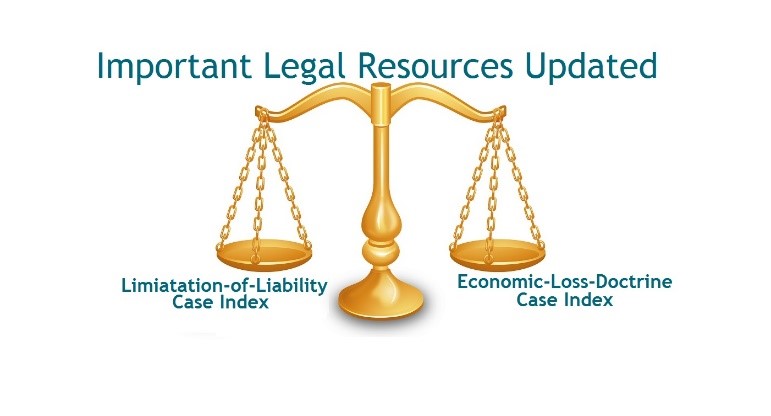 The Geoprofessional Business Association (GBA) has published new editions of two important legal references, both prepared for design professionals without use of “legalese”; both available free of charge.
 GBA Releases Five More Case Histories: 36-40
 During the 2018 Spring Conference in Chicago, numerous volunteers were recognized for to their many contributions to GBA during the past year. They were recognized for presentations during conferences, contributions to new and updated reference material, leadership on the Board of Directors, Business Councils, Committees, and Task Forces, and for other activities that supported GBA’s mission. Those who were attending, were awarded a certificate of appreciation and a letter of appreciation from Joel Carson, GBA’s Executive Director.


 Laura Reinbold, P.E.(Terracon), Michael V. Smith, P.G., C.E.G.(Earth Systems, Inc.) and Steven D.Thorne, P.E., D.GE (Terracon), and have been appointed to the prestigious Council of Fellows of the Geoprofessional Business Association (GBA). The organization established the Council in 1975 to provide guidance for GBA’s direction and to pursue other activities its members deemed appropriate. The appointment was announced during GBA’s 2018 Spring Conference by W. Jerrold Samford, P.G. (Troutman Sanders LLP), chair of GBA’s Council of Fellows.
 and business leader in the geoprofession since 1974. He has worked for consulting firms and industry owners throughout his career. He was President/CEO of Schnabel Engineering from 2001 to 2016 when he retired after 29 years with the firm. He continues to work part time with UTG, LLC, a small firm based in Northern Virginia, that provides subject matter experts and project managers to U.S. Government clients. Dr. Matheson received his B.S. from Virginia Tech, his M.S. from University of Missouri at Rolla, and his Ph.D. from Colorado School of Mines. He was Chair of the GBA Business Practices for 2 years and a member of the GBA Board of Directors for 6 years in which he was President of GBA in 2015/2016. He is currently on the Board of Academy of Geo-Professionals of ASCE.
 Ms. Reinbold is National Director for Healthcare at Terracon Consultants Inc. A graduate of Vanderbilt University in Civil Engineering, Ms. Reinbold has been in the geoprofessional industry for over 30 years. She was appointed by Tennessee’s Governor for a four-year term on the state’s Architectural and Engineering Licensing Board; served as a past-President of GBA (2016-17); and currently serves on: the Advisory Board of Urban Land Institute, Nashville District; the Economic Development Committee of the Nashville Area Chamber of Commerce’s Partnership 2020 and Chamber South’s Leadership Board, and is Founder of AEC Power Women, a group dedicated to educating and connecting female leaders in Architecture, Engineering, and Construction. Ms. Reinbold received the Nashville Business Journal 2016 Women of Influence Trailblazer award; the Nashville Chamber of Commerce 2016 Spirit of the Chamber Award; and was a 2016 ATHENA nominee for women of distinction in business. She is a proud member of the Nashville Downtown club of Rotary International.
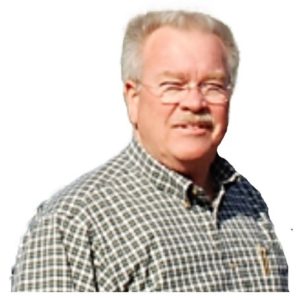 Michael V. Smith, P.G., CEG, is Chairman Emeritus of Earth Systems, Inc. He is a graduate of California State University, Fresno with a BA in Geology, and two additional years in geotechnical engineering. In 1970, he started his career with Kleinfelder Associates, spending time in Saudi Arabia on the Riyadh International Airport. From 1978 to 1981, he consulted as Michael V. Smith – Engineering Geology in Palmdale, California. Mike joined Earth Systems, Inc. in 1981, became President/CEO in 1994, and retired as Chairman of the Board in 2017. He has been active in GBA since 1976 and is a past GBA Director. He is a Past President of the California Geotechnical Engineers Association, past President of two Rotary Clubs, and served on the San Luis Obispo Chamber Seismic Task Force.
 of its northern New Jersey and metro-Philadelphia offices. He is a Fellow of the American Society of Civil Engineers (ASCE)and has 35 years of diversified geotechnical and environmental engineering consulting experience, with particular focus in areasof deep foundations, soft ground construction, ground improvement and seismic evaluation. Mr. Thorne became active in GBA committee work in 1998, held various committee leadership roles, served on the Board of Directors from 2008 to 2015 and was GBA president in 2014-15. He is currently president-elect of Civil Engineering Certification (CEC), an organization created by ASCE to provide post-licensure board certification for the specialty sub-disciplines within civil engineering.